Param Hansa Philanthropies · Presents

QxBio 2026

Quantum–AI Bio-Convergence

Discovery · Translation · Capital · Partnerships

September 24–26, 2026The Harker School, San Jose, CA, USA

About the Symposium

Where computation meets the clinic

QxBio is PHP’s annual gathering of researchers working at the convergence of quantum, AI, and the life sciences. Over three days at The Harker School in San Jose, senior PIs, postdocs, graduate students, and high-schoolers share the same room, the same posters, and the same lunch table.

The format is deliberately compact — short talks, dense poster sessions, structured discussion — so collaborations form faster than they would over a year of email. Last year saw 2,500+ scientists across 18+ publications in the resulting network.

Tracks

What we’re looking for

Computational Oncology

Predictive models of cancer progression, metastasis, and treatment response — bridging mechanistic biology and data-driven inference.

Quantum × Life Sciences

Quantum algorithms applied to molecular dynamics, protein folding, and high-dimensional biological inverse problems.

AI for Translational Research

Generative and discriminative models that compress the lab-to-clinic timeline — from biomarker discovery to clinical decision support.

Education & Mentorship

Bringing high-school, undergraduate, and graduate researchers into the same room as senior PIs — the QxBio signature.

QxBio 2026 · The story so far

From big questions
to shared next steps.

Scientists, physicians, founders, investors and students came together to ask what comes next for computational oncology—and to turn promising ideas into practical paths toward better health.

01Minds that converge

One room. Four frontiers.

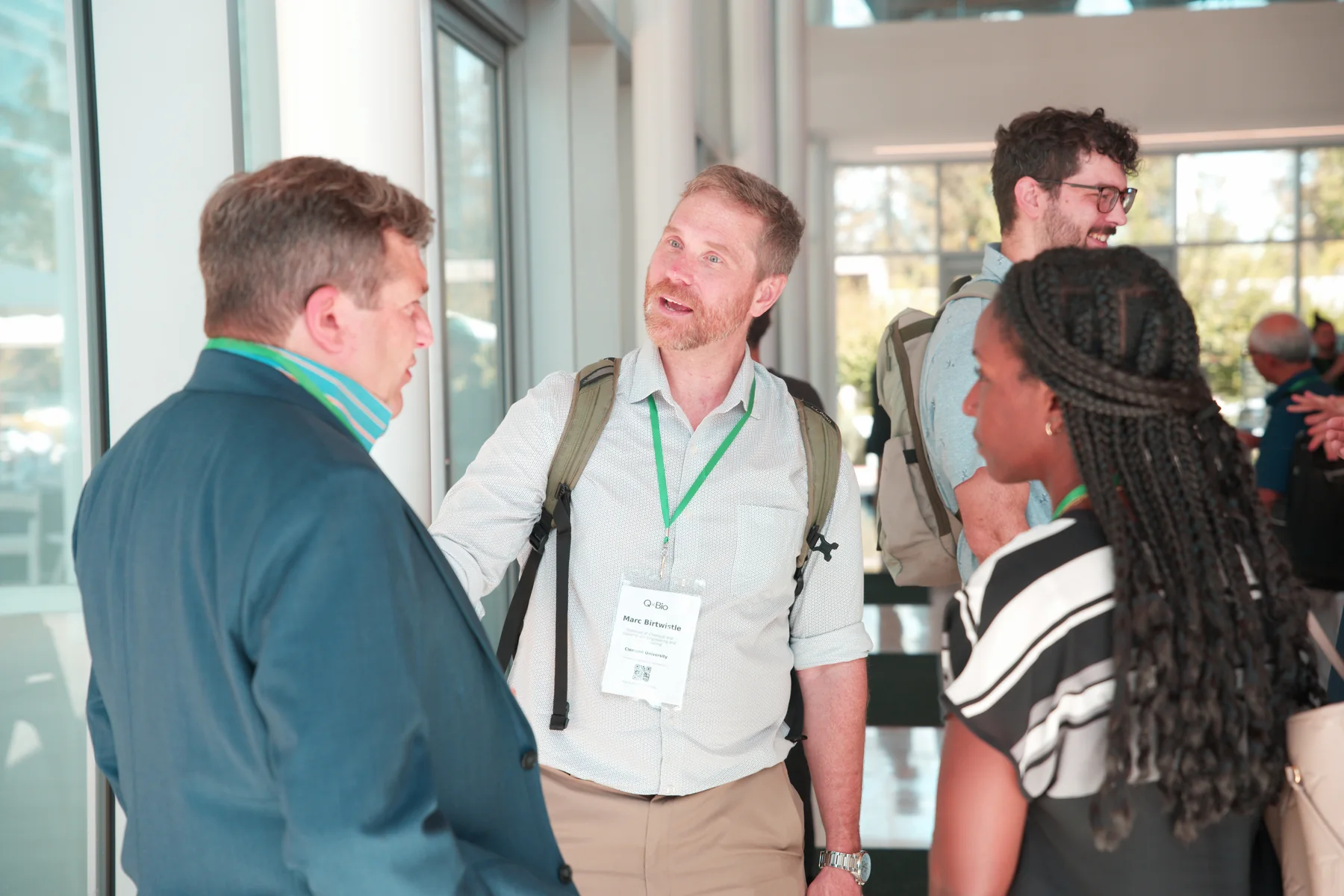
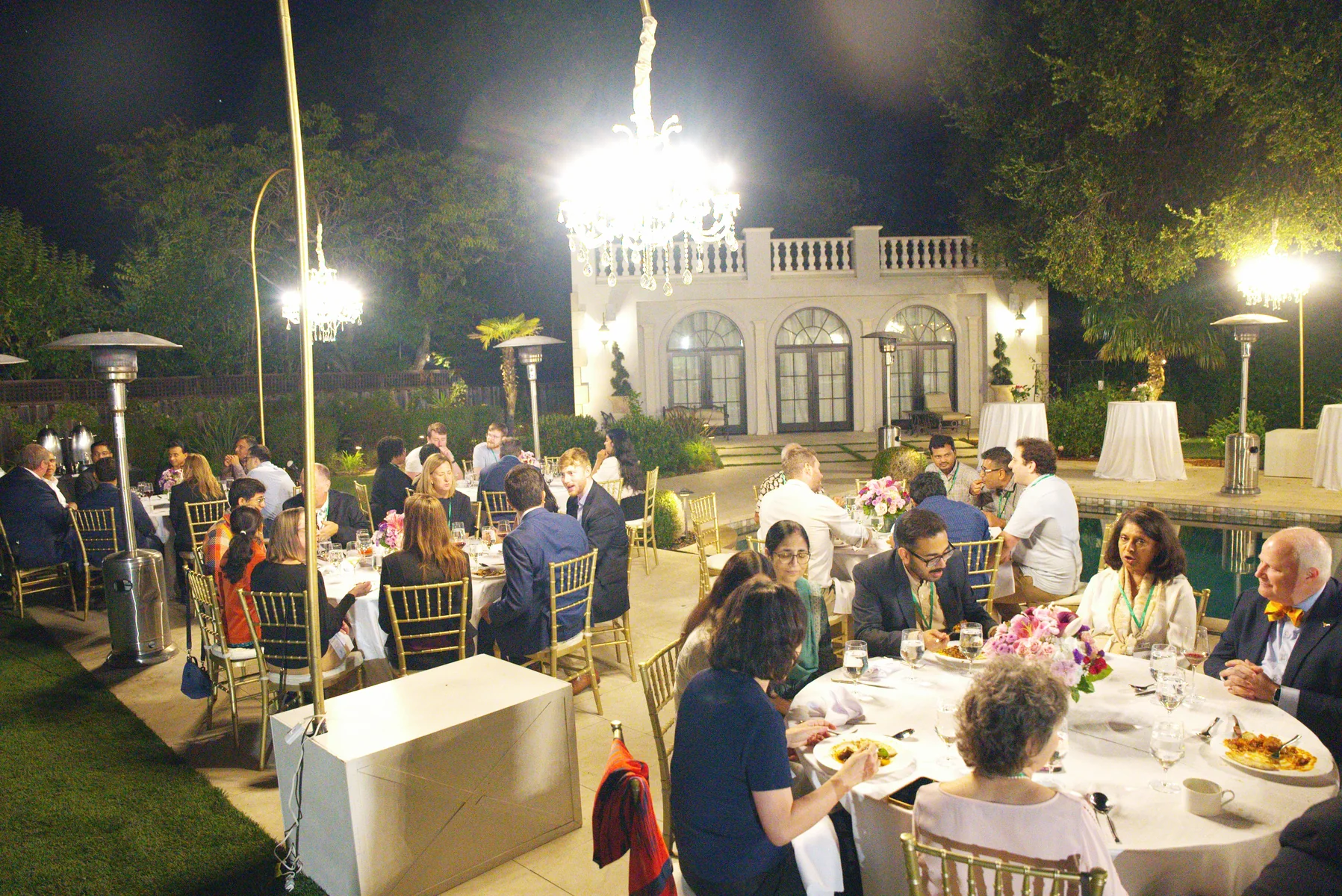
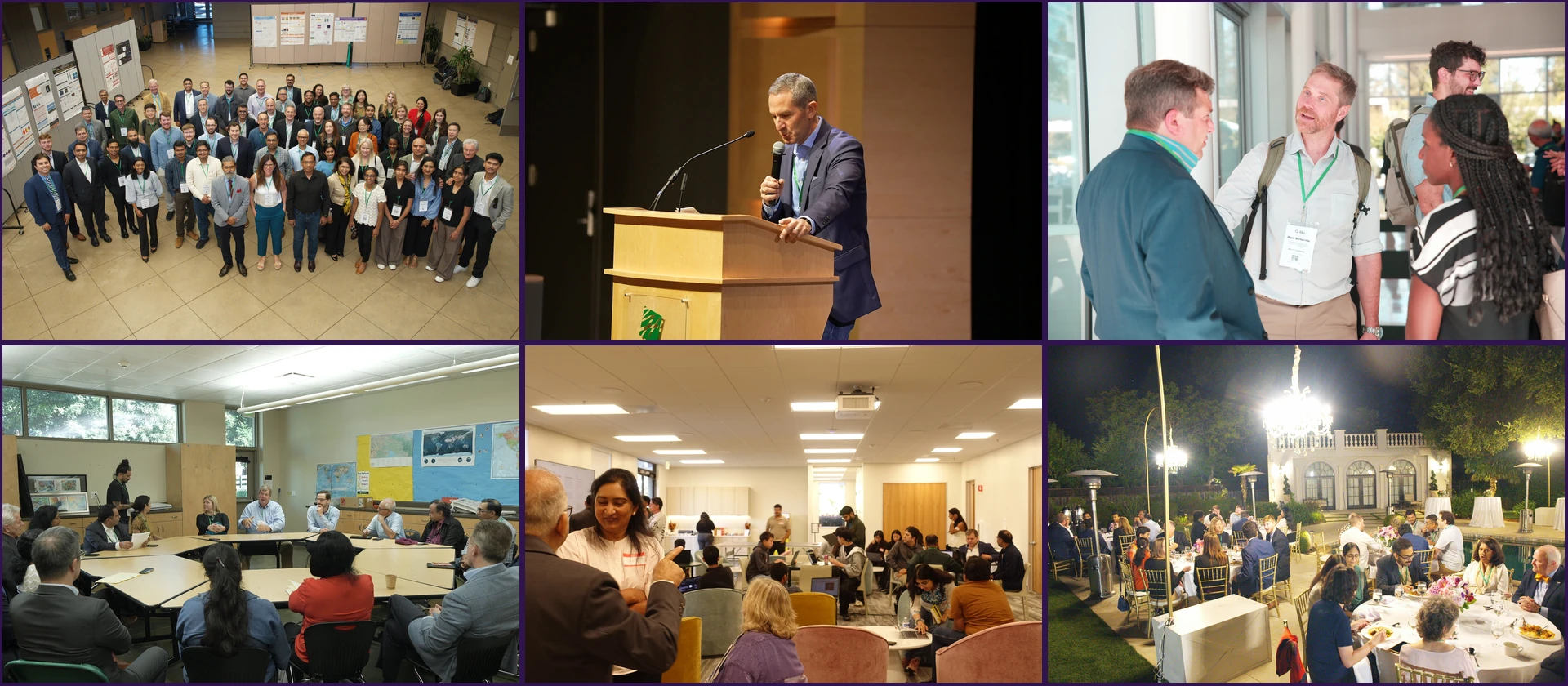
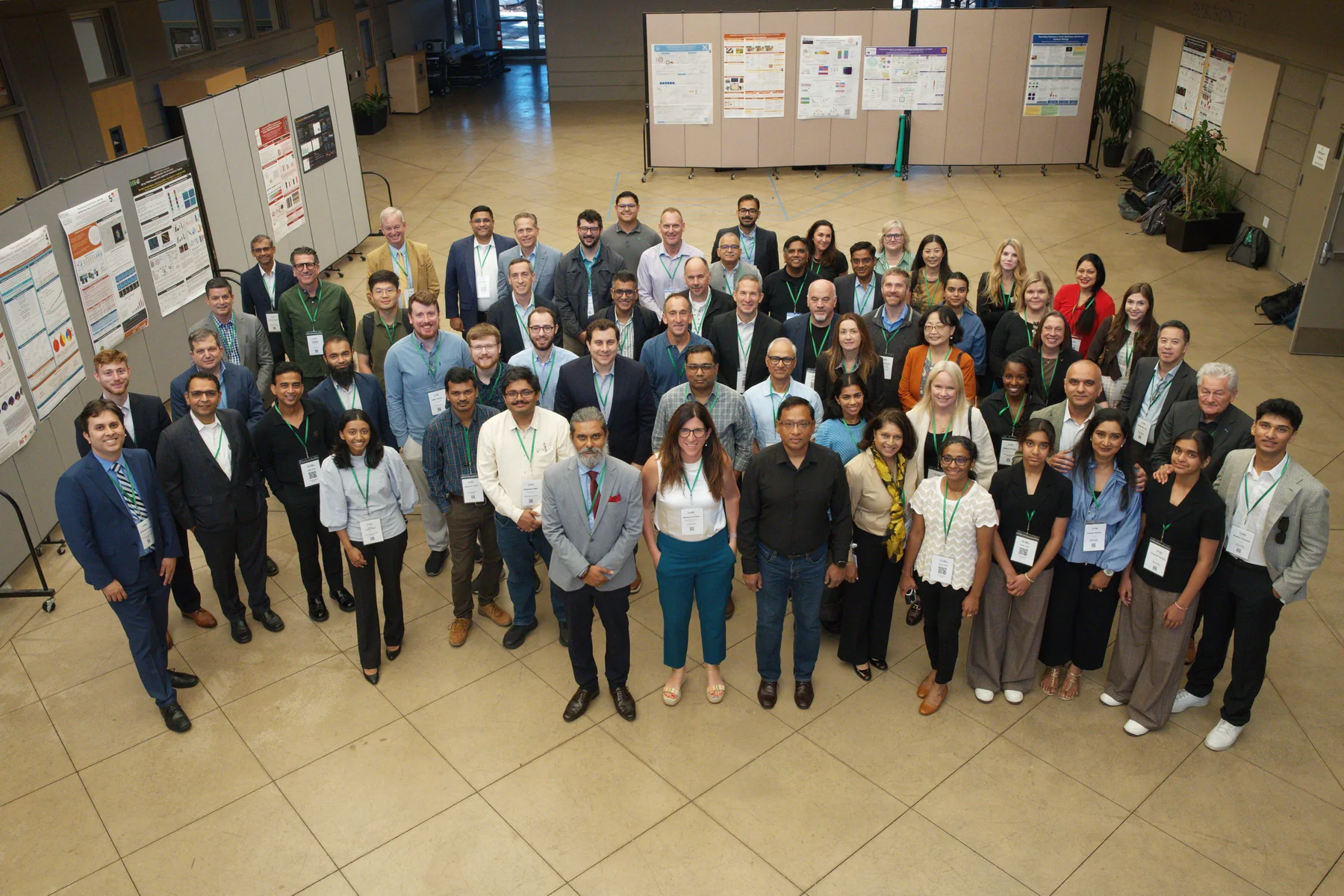
QxBio 2026 brought scientists, physicians, investors and industry leaders together over two days to reflect on the future of computational oncology, connecting quantum, AI, biology and medicine in one intentionally intimate room.

Across two days, keynotes traced a thread from biological complexity to computational oncology and digital twins, then to a spatial data layer for the cell. As one participant put it: “It’s such a small circle of trust... you’re automatically able to unlock things for each other that are much harder to unlock for yourself.”
02Keynotes · What comes next

Science that learns in a loop.

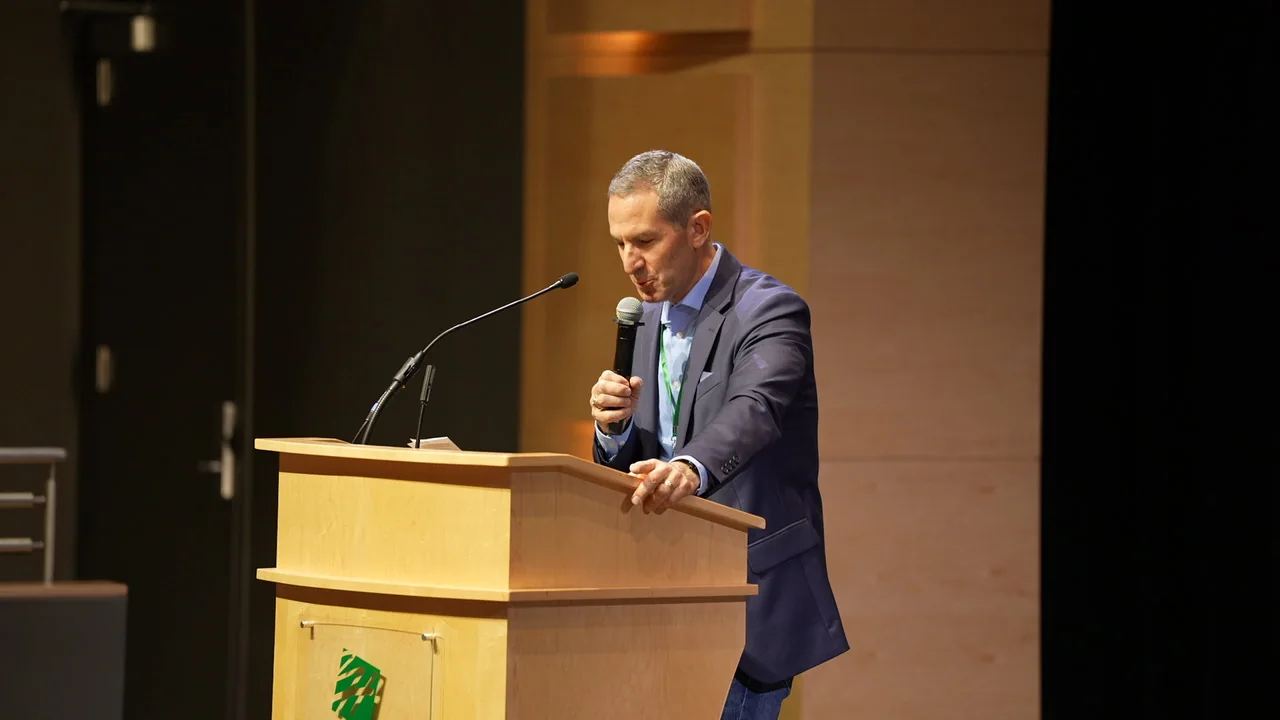
Dr. Emma Lundberg (Stanford / Human Protein Atlas) unveiled the first spatial proteomics model of a cell and described a future of autonomous, self-improving research loops.

Dr. Reinhard Laubenbacher opened Day 2 on multiscale digital twins for precision oncology. Dr. Alexander Anderson closed with adaptive therapy: “Drugs found. Maths deploys. Capital is in this room. What’s next is our choice.” Lundberg described a research flywheel: “We built the first spatial proteome model of a cell... let the model and the data generation be a flywheel in a loop together.”

03Beyond the grant

Building bridges from ideas to impact.

Fireside panels explored how philanthropy and impact investment can help promising science make its way from the lab bench toward patients.

In “Beyond the Grant,” leaders explored philanthropy’s role in bridging early ideas and real-world impact. Karen Kardos of Citi reflected: “There’s an enormous role for philanthropy... it can bridge the gap where there are no grants and no industry support available, to create the confluence that creates impact.” Another panel brought impact investors into the lab-bench-to-bedside funding conversation.

04Day 3 · Student hackathon

Students built real AI agents.

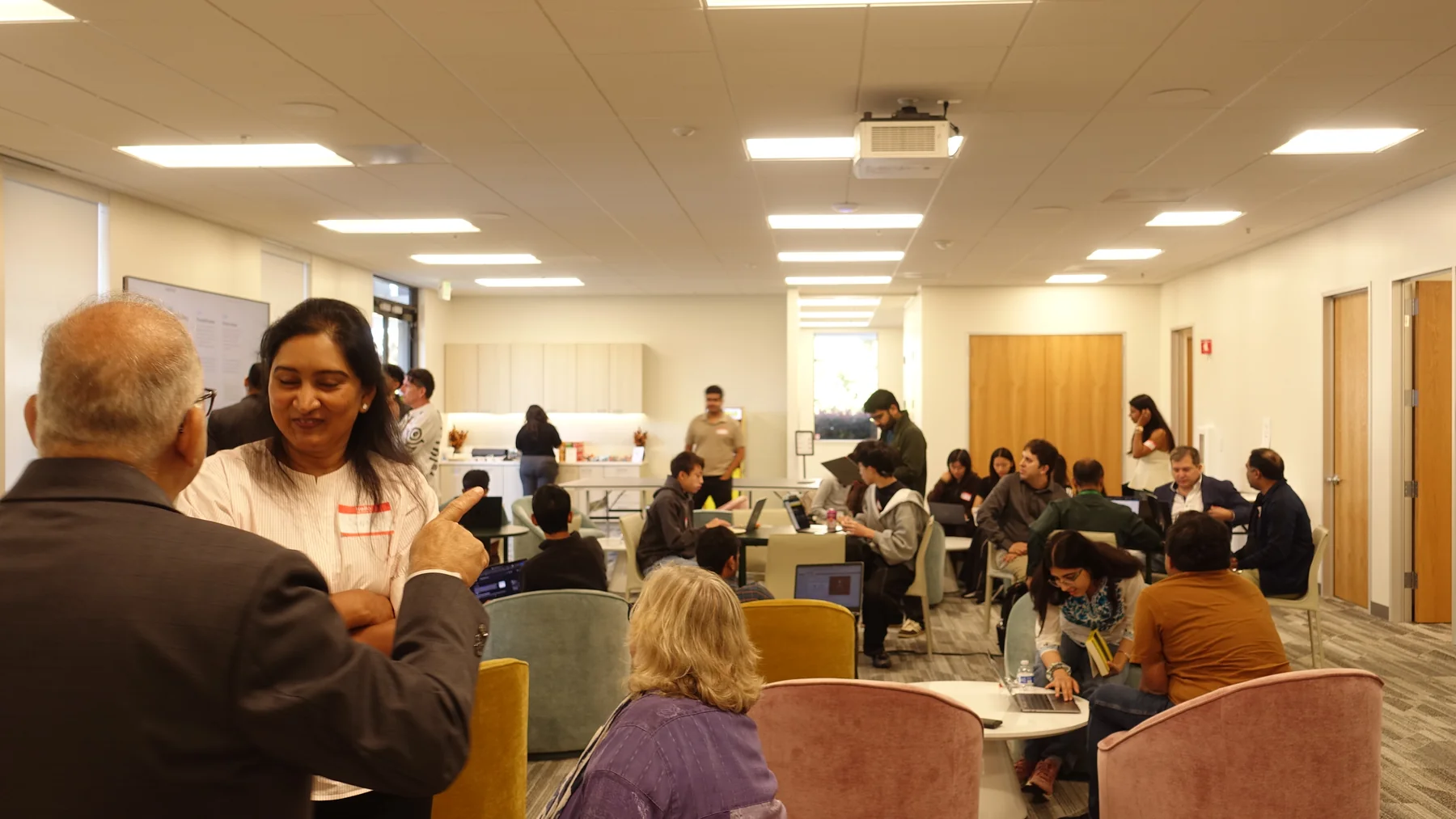
High-school through PhD students used Computer, built by DevRev, to create AI agents addressing BPAN, a rare neurodegenerative disease.

Teams built orchestrator-and-sub-agent workflows, rule-based gene classifiers and human-versus-mouse comparison tools, with plain-language summaries, source receipts and honesty disclaimers for patients, doctors and analysts. Dr. Dean Bottino noted: “This is the first hackathon where the AI is robust enough to just do the coding... now you have to really know why you’re building and for whom.”

05Breakouts · From dialogue to action

Breakouts became roadmaps.

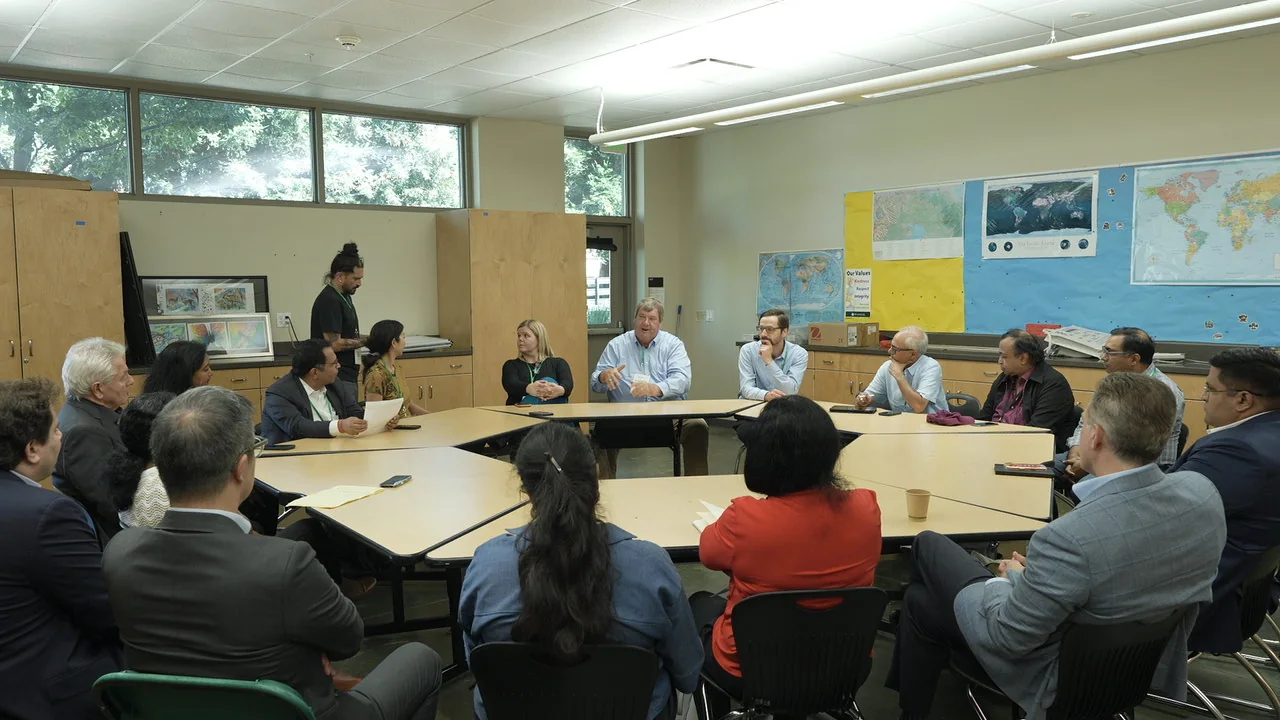
Four facilitated groups turned discussion into shared next steps across partnerships, physician-scientist collaboration, quantum-AI systems biology and AI drug discovery.

Four facilitated sessions focused on alliances and partnerships, physician-scientist collaboration, quantum-AI systems biology and AI drug discovery. Participants co-created next steps to guide strategic directions until the community reconvenes next year.

QxBio 2026 · In short

Five moments. One shared direction.

01

Minds that converge

Scientists, physicians, founders and investors from Stanford, UT Austin, IISc, City of Hope and beyond bridged quantum, AI, biology and medicine in a close circle of trust.

02

Keynotes on what’s next

Dr. Emma Lundberg shared the first spatial proteomics model of a cell and a vision for autonomous, self-improving research loops.

03

Beyond the grant

Panels explored how philanthropy can bridge bold ideas, capital and real-world impact for patients.

04

Students build real AI agents

Day 3 teams from high school to PhD built agents for a rare brain disease, with evidence, sources and plain-language answers.

05

Breakouts become roadmaps

Four groups turned conversation into next steps in partnerships, collaboration, systems biology and drug discovery.

The gathering · At a glance

Where it happens.
How it unfolds.

QxBio brings a focused community together in San Jose for talks, working sessions and hands-on building around the next frontier of computational oncology.

When
September 24–26, 2026Three days of symposium and student programming
Where
The Harker SchoolSan Jose, California, USA
Who
One connected communityResearchers, clinicians, students, founders and investors
What
Quantum–AI Bio-ConvergenceComputational oncology, digital twins, spatial biology and more
Days 1–2 · Symposium

Ideas and perspectives

Keynotes, research talks and fireside conversations connect biological complexity with computational oncology and translational impact.

Across the program · Breakouts

Collaboration in action

Facilitated groups explore partnerships, physician-scientist collaboration, quantum-AI systems biology and AI drug discovery.

Day 3 · Student hackathon

Build and test AI agents

Student teams use Computer, built by DevRev, to prototype tools for BPAN with evidence-based, plain-language outputs.

FAQ

Frequently asked

Who can submit an abstract?

High-school, undergraduate, graduate, and postdoctoral researchers, as well as faculty and industry scientists. The presenting author must attend the symposium in person.

What's the abstract word limit?

250–400 words total across Background, Methods, Results, and Conclusion. The submission form counts words live as you type.

When will I hear back?

Acceptance notifications go out by August 15, 2026. Selected presenters will then be invited to submit a full poster PDF (Stage 02) by September 14.

Are there registration fees?

Registration details and travel guidance are shared after abstract acceptance. PHP covers travel for a number of selected student presenters — those decisions are made on a case-by-case basis.